Category: beings

  • Tips for Creating a Cozy and Productive Home Office Space

    Tips for Creating a Cozy and Productive Home Office Space

    Spread the love

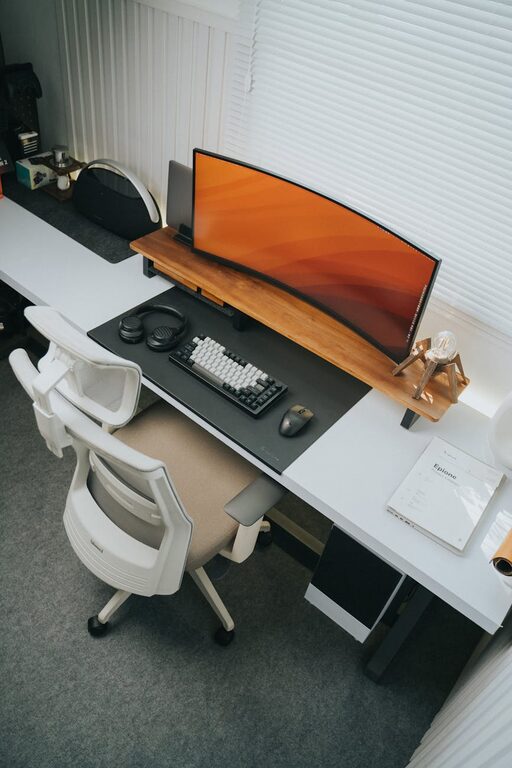
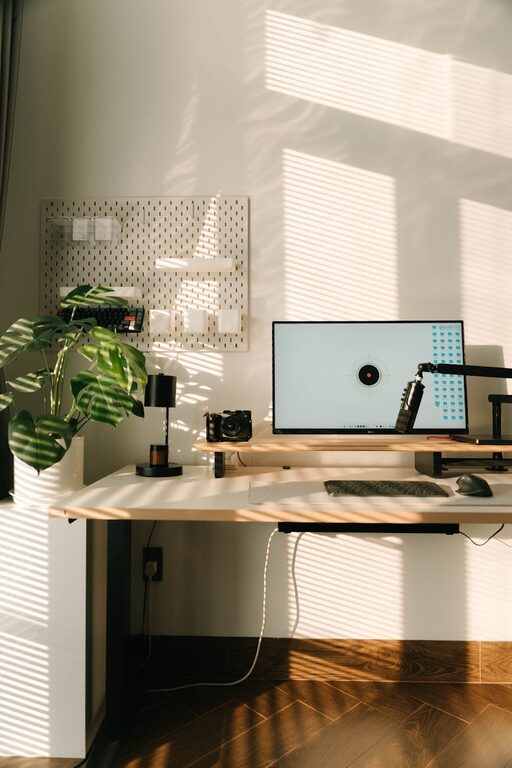
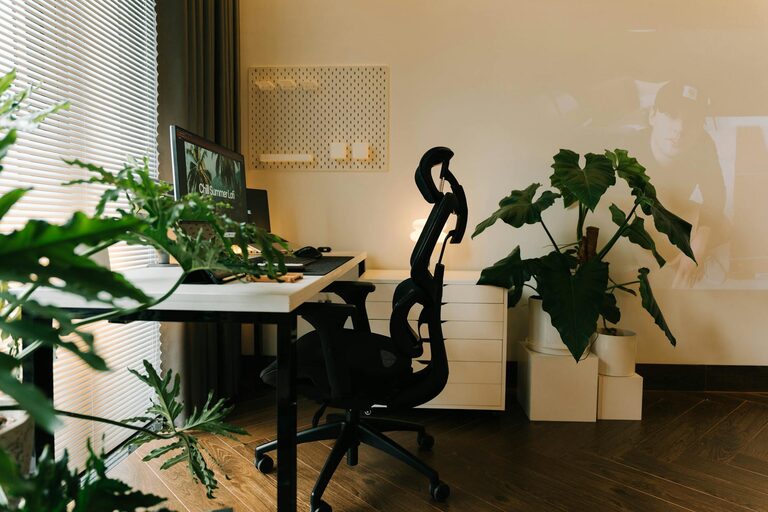
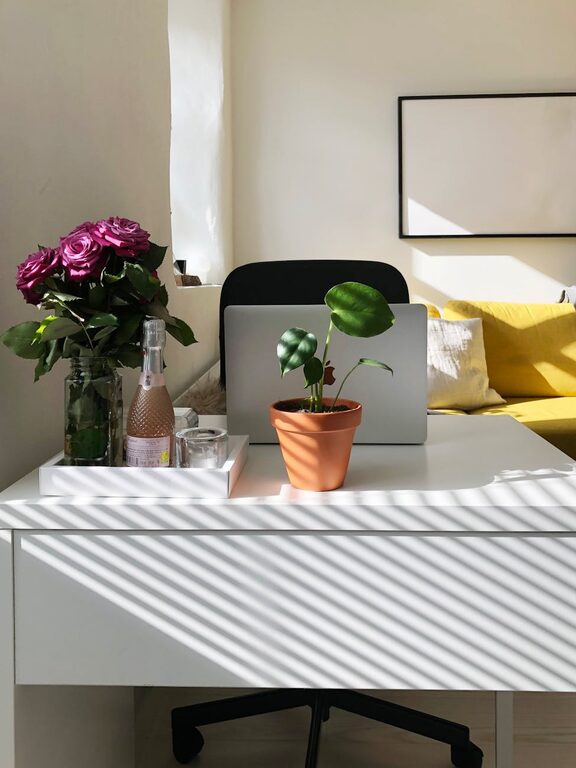
    Creating a cozy and productive home office space is essential for anyone working remotely or looking to establish a dedicated area for focused tasks. A well-designed home office can improve concentration, reduce stress, and make work hours more enjoyable. Here are some practical tips to help you set up a workspace that balances comfort and efficiency.

    Choose the Right Location

    Selecting the perfect spot for your home office is the first step. Ideally, look for a quiet area with minimal distractions such as a spare room, a corner of the living room, or an unused nook. Consider the following:

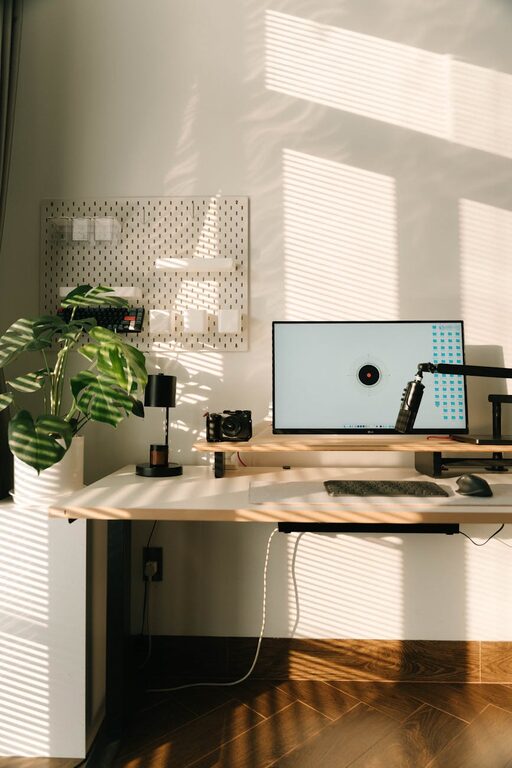
    – Natural light: Position your desk near a window to benefit from natural daylight, which can boost mood and reduce eye strain.

    – Distance from noise: Avoid placing your office near loud household areas like the kitchen or TV.

    – Privacy: Ensure your space allows you to focus without interruptions.

    Invest in Comfortable and Functional Furniture

    Your furniture plays a significant role in comfort and productivity. Choose pieces thoughtfully to support both:

    Desk

    – Size: Pick a desk spacious enough for your computer, notebooks, and other essentials.

    – Height: Ensure it’s at a comfortable height to maintain good posture.

    – Storage: Desks with built-in drawers or shelves help keep your area tidy.

    Chair

    – Ergonomics: Invest in an ergonomic chair with adjustable height and lumbar support.

    – Comfort: Look for padded seating and breathable fabric to stay comfortable during long work sessions.

    Optimize Lighting for Focus and Ambience

    Good lighting reduces eye strain and creates a welcoming atmosphere.

    – Layer your light sources: Combine natural light with overhead lighting and task lamps.

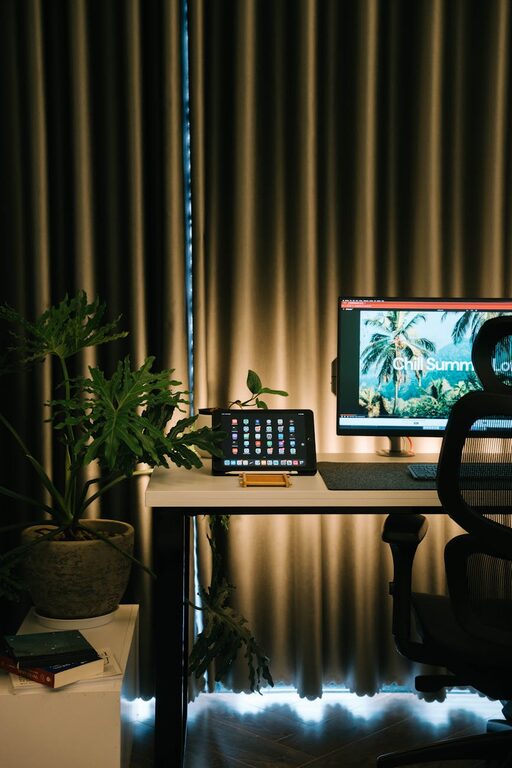
    – Use warm-toned bulbs to foster a cozy feel without sacrificing brightness.

    – Position desk lamps so that shadows don’t interfere with your work.

    Organize and Declutter Your Space

    A clutter-free workspace helps reduce distractions and enhances efficiency.

    – Use organizers: Drawer dividers, file holders, and cable managers keep items in place.

    – Limit desk items to essentials: Keep only what you need daily on your desktop.

    – Regularly tidy up: Set aside a few minutes each day to maintain organization.

    Personalize Your Workspace

    Adding personal touches makes your office a pleasant place to spend time.

    – Incorporate plants: Greenery improves air quality and adds a calming vibe.

    – Display photos or artwork that inspire you.

    – Use cozy textiles like a soft rug or throw blanket to increase comfort.

    Maintain Good Air Quality and Temperature

    Comfort isn’t just about furniture—it’s also about the environment.

    – Ventilate the room regularly or use an air purifier.

    – Keep the temperature comfortable, typically between 68-72°F (20-22°C).

    – Consider a small fan or heater if needed to adjust conditions.

    Set Boundaries to Support Work-Life Balance

    A dedicated home office helps separate work from home life, but boundaries also matter.

    – Define work hours and stick to them to avoid burnout.

    – Inform household members about your schedule to minimize interruptions.

    – When the workday ends, close the door or turn off your computer as a signal.

    Use Technology Wisely

    Equip your office with the right tools to enhance productivity.

    – Choose a reliable computer and internet connection.

    – Use noise-canceling headphones if your environment is noisy.

    – Keep chargers and cables neatly organized and easily accessible.

    Keep Healthy Habits in Mind

    Your workspace impacts not just your work but also your well-being.

    – Take regular breaks to stretch and move around.

    – Set up your desk ergonomically to avoid strain.

    – Stay hydrated and keep healthy snacks nearby.

    By thoughtfully designing your home office to be both comfortable and efficient, you create a space that supports productivity while feeling inviting. Remember that your workspace should reflect your personal needs and preferences, so feel free to experiment and adjust as you settle into your new routine. A cozy, well-organized office is one step closer to achieving your work goals with ease and comfort.
  • Tips for Creating a Cozy and Productive Home Workspace

    Tips for Creating a Cozy and Productive Home Workspace

    Spread the love

    Creating a cozy and productive home workspace is essential for anyone working or studying from home. A well-designed space can boost your focus, reduce stress, and increase overall satisfaction with your daily tasks. Whether you have a dedicated room or just a corner in your living area, these tips will help you transform your area into a comfortable and efficient environment.

    Choose the Right Location

    Selecting the best spot in your home is the first step. Consider these factors:

    Natural Light: Pick a space with ample natural light. Sunlight helps improve mood and energy levels.

    Quiet Area: Find a spot away from household noise or distractions.

    Space: Ensure there is enough room for your desk, chair, and any equipment you need.

    Accessibility: A space that’s easy to get to encourages regular use and helps separate work from relaxation zones.

    Invest in Comfortable and Functional Furniture

    Your furniture plays a critical role in your comfort and productivity.

    Desk

    Choose a desk that fits your needs — consider size, shape, and storage options. If space is limited, a foldable or wall-mounted desk can be a good solution.

    Chair

    Invest in an ergonomic chair that supports your posture. Comfort here helps prevent back pain and fatigue.

    Additional Furniture

    Shelving units, filing cabinets, or storage boxes can keep your workspace tidy and organized, making it easier to find supplies.

    Optimize Lighting

    Good lighting reduces eye strain and fatigue.

    – Use natural light whenever possible.

    – Add adjustable desk lamps with warm or daylight bulbs.

    – Avoid harsh overhead lights or glare on your computer screen.

    Keep Your Space Organized

    A clutter-free workspace helps your mind stay clear.

    – Use containers, trays, or drawer organizers for supplies.

    – Regularly clean your desk to remove unnecessary items.

    – Implement a system for paperwork like filing or scanning important documents.

    – Digital organization tools can also help keep your tasks and files in order.

    Personalize Your Workspace

    Add touches that make your space inviting and motivating.

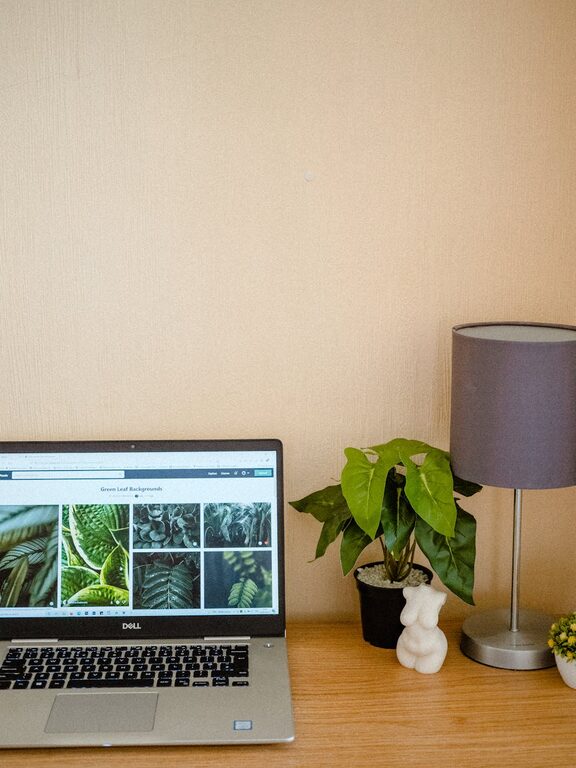
    – Incorporate plants to bring freshness and improve air quality.

    – Hang artwork or photos that inspire you.

    – Choose colors for your walls or decor that calm or energize you (blues and greens are popular for a calming effect).

    – Use cozy textiles like a soft rug or cushions for extra comfort.

    Minimize Distractions

    To maintain focus:

    – Remove unrelated gadgets from your desk.

    – Use noise-cancelling headphones if the environment is noisy.

    – Set clear boundaries with family or housemates about your work hours.

    Manage Technology Efficiently

    Having your technology in order can save time.

    – Position your computer or laptop at eye level.

    – Use cable organizers to avoid tangled cords.

    – Ensure a stable internet connection for video calls or cloud access.

    – Keep chargers and accessories within reach.

    Take Breaks and Move Around

    A cozy workspace encourages productivity, but rest is equally important.

    – Stand and stretch every hour.

    – Use a timer or app to remind you of breaks.

    – Consider a small standing desk option if feasible.

    Establish a Routine

    Finally, create habits that support your workspace and productivity.

    – Start your day with a set routine to prepare mentally.

    – Keep your workspace dedicated to work only when possible.

    – End your day by tidying up to create a fresh start tomorrow.

    Creating a comfortable and productive home workspace doesn’t require a large budget or a complete renovation. By focusing on these simple steps—choosing the right location, investing in good furniture, managing light and organization, adding personal touches, minimizing distractions, and setting routines—you can enjoy a space where you are both relaxed and motivated to get your work done.

  • Tips for Creating a Productive Home Workspace

    Tips for Creating a Productive Home Workspace

    Spread the love

    Creating a productive home workspace is essential for anyone working or studying from home. A well-designed environment can help you stay focused, reduce stress, and enhance your overall efficiency. Whether you have a dedicated room or just a small corner, these tips will help you set up a workspace that works for you.

    Choose the Right Location

    Selecting the best spot in your home for your workspace is the first step toward productivity. Ideally, pick a quiet area with minimal distractions. Here are some factors to consider:

    Natural Light: Position your desk near a window if possible. Natural light helps improve mood and reduces eye strain.

    Privacy: Choose a space where you can close the door or create a boundary if you need concentration.

    Traffic Flow: Avoid high-traffic areas like the living room where family members frequently pass by.

    If space is limited, even a tidy corner with your essentials can work well.

    Invest in Comfortable Furniture

    Comfort plays a big role in how productive you feel. Sitting for long hours in an uncomfortable chair can lead to back pain and fatigue.

    Ergonomic Chair: Choose a chair with good lumbar support and adjustable height.

    Desk Height: Your desk should allow your arms to rest comfortably while typing, with your feet flat on the floor.

    Desk Space: Ensure there’s enough room for your computer, notebooks, and other tools without feeling cramped.

    Consider a sit-stand desk if you want to vary your posture throughout the day.

    Keep Your Workspace Organized

    Clutter can quickly distract you. An organized workspace helps you focus and find what you need easily.

    Declutter Regularly: Remove unnecessary items from your desk at the end of each day.

    Storage Solutions: Use shelves, drawers, or filing cabinets to keep documents and supplies tidy.

    Cable Management: Use clips or sleeves to keep cords from tangling, creating a neater look.

    Clear spaces tend to promote clearer thinking.

    Minimize Distractions

    Working from home often means facing distractions that can reduce your productivity. Here are ways to keep distractions at bay:

    Designate Work Hours: Set clear start and end times to help your brain switch to work mode.

    Use Noise-Cancelling Headphones: These can help block out background noise.

    Limit Phone Notifications: Silence or turn off notifications during focused work sessions.

    Communicate Boundaries: Let family or housemates know your work schedule and ask for their support in minimizing interruptions.

    Creating a routine will gradually train your mind to focus during work hours.

    Personalize Your Space

    Adding personal touches can make your workspace more inviting and motivate you to spend time there.

    Plants: A small plant can improve air quality and add a touch of nature.

    Decor: Choose artwork or photos that inspire you.

    Lighting: Aside from natural light, use warm desk lamps to create a cozy atmosphere in the evenings.

    However, avoid too many decorations that could cause distraction.

    Incorporate Good Lighting

    Lighting affects your comfort and alertness. Poor lighting can cause headaches and fatigue.

    Layered Lighting: Combine natural light, overhead lights, and task lighting.

    Avoid Glare: Position your computer screen to minimize reflections from windows or lights.

    Use Adjustable Lamps: These let you focus light exactly where you need it.

    Proper lighting supports your eye health and concentration.

    Use Technology Wisely

    A productive workspace benefits from reliable technology.

    Fast Internet Connection: Ensure your Wi-Fi is strong to avoid interruptions during online meetings or research.

    Essential Gadgets: Invest in quality headphones, webcam, or a mouse that enhances your workflow.

    Backup Solutions: Regularly save your work and use cloud storage to prevent data loss.

    Keeping your software and devices updated also helps maintain smooth operations.

    Take Breaks and Move

    Even the best workspace can’t substitute for regular breaks.

    Practice the 20-20-20 Rule: Every 20 minutes, look at something 20 feet away for at least 20 seconds to reduce eye strain.

    Stretch or Walk: Stand up and move around every hour to increase circulation and reduce tension.

    Stay Hydrated and Nourished: Keep water and healthy snacks nearby to maintain energy levels.

    A break-friendly environment fosters sustained productivity.

    Final Thoughts

    Creating a productive home workspace is all about balancing comfort, organization, and minimizing distractions. By choosing the right location, investing in ergonomic furniture, organizing your space, and incorporating personalized touches, you set yourself up for success. Remember, it’s also vital to maintain a routine that includes breaks and good lighting. With these tips, working from home can be both enjoyable and efficient.

  • Tips for Organizing a Productive Home Office Space

    Tips for Organizing a Productive Home Office Space

    Spread the love

    Working from home has become more common than ever, making it essential to have a well-organized, productive home office space. A clutter-free, comfortable workspace not only helps you focus but also makes your workday more enjoyable. Whether you have a dedicated room or just a small corner, these tips will help you create a home office that supports your productivity and well-being.

    Choose the Right Location

    First, select a place in your home where you can focus without distractions. Ideally, this should be a quiet spot with good natural light. If you lack a separate room, consider setting up your desk near a window or in a corner where you won’t be interrupted.

    Consider Lighting

    Good lighting is crucial for reducing eye strain and maintaining alertness. Natural light is best, so position your desk close to a window if possible. Supplement with warm, adjustable artificial lighting for cloudy days or evening work.

    Invest in Comfortable and Functional Furniture

    Your chair and desk are the foundation of your home office. Choose a chair that provides good back support and allows you to sit at the correct height relative to your desk. A desk with enough surface area to hold your computer, documents, and other essentials will keep your workspace functional and uncluttered.

    Ergonomics Matter

    Set up your workstation to promote good posture. Your computer screen should be at eye level, and your keyboard positioned so your arms rest at a comfortable 90-degree angle. Proper ergonomics can prevent discomfort and long-term health issues.

    Keep Your Desk Organized

    A tidy desk encourages focus and efficiency. Use desk organizers, trays, or small containers to keep pens, paper clips, and other supplies in order. Limit what you keep on your desk to daily essentials and regularly clear away unnecessary items.

    Cable Management

    Cables can quickly create clutter. Use cable clips, sleeves, or boxes to keep cords organized and out of sight. This not only improves aesthetics but also reduces frustration from tangled wires.

    Use Storage Wisely

    Good storage solutions help keep your office clutter-free. Use shelves, filing cabinets, or baskets to store documents, books, and office supplies. Label containers so you can quickly find what you need without digging through piles of stuff.

    Digital Organization

    Keep your digital files organized as well. Set up a clear folder system on your computer, back up important documents regularly, and use cloud storage for easy access and safekeeping.

    Personalize Your Space

    Add elements that inspire and motivate you, such as plants, artwork, or photos. A plant can improve air quality and add a calming touch, while meaningful artwork or motivational quotes can boost your mood.

    Manage Noise and Distractions

    If your home office is in a busy area, consider ways to minimize noise. Noise-canceling headphones or a white noise machine can be helpful. Set boundaries with family members or housemates to respect your work hours and minimize interruptions.

    Maintain a Daily Routine

    Keep your workflow efficient by organizing your tasks and following a consistent routine. Use planners, to-do lists, or digital apps to prioritize work and set clear work hours to separate professional time from personal.

    Keep It Clean

    Regularly tidying your office keeps clutter at bay and creates a pleasant environment to work in. Set a weekly schedule to wipe surfaces, dust your equipment, and organize papers.

    Final Thoughts

    A productive home office is about blending comfort, organization, and functionality. By choosing the right location, investing in ergonomic furniture, keeping your desk and storage organized, and adding personal touches, you create a workspace suited to your needs. With good habits and routine maintenance, your home office will be a place where productivity naturally follows.

  • Tips for Creating a Relaxing Home Office Environment

    Tips for Creating a Relaxing Home Office Environment

    Spread the love

    Creating a home office that feels relaxing and comfortable can significantly improve your productivity and overall well-being. Whether you’re working from home full-time or occasionally, having a space designed to reduce stress and promote focus makes a big difference. In this post, we’ll share practical tips on how to create a relaxing home office environment that supports your best work.

    Choose the Right Location

    The first step in crafting a calming workspace is selecting the right spot for your office. Ideally, pick a quiet area in your home where you won’t be easily distracted by household noise or high foot traffic. If possible, use a separate room or a corner that can be dedicated exclusively to work.

    Consider the natural light available in the space. A room with windows provides sunlight, which helps regulate your circadian rhythm and boosts mood. Position your desk near a window if you can, but avoid glare on your computer screen.

    Opt for Comfortable and Supportive Furniture

    Comfort is essential for a relaxing home office. Invest in a good quality chair that offers proper back support and encourages healthy posture. Sitting for long hours can lead to discomfort, so ergonomics matters.

    Choose a desk that fits your space and needs. It should have enough surface area to hold your computer, notebook, and any other essential items without feeling cluttered. Adjustable height desks or standing desks offer an alternate option that can help reduce fatigue.

    Personalize Your Space with Soothing Colors

    Color plays a powerful role in setting the tone of your environment. Soft, muted tones like light blues, greens, or earth colors are often associated with relaxation and calmness. Avoid overly bright or distracting colors in your office setup.

    You don’t have to repaint the entire room if that’s not possible. Adding accessories such as cushions, rugs, or wall art in calming colors can make a big impact.

    Keep Your Workspace Organized

    A cluttered workspace can contribute to stress and distraction. Keeping your home office tidy and organized supports a clear mindset.

    Here are some tips for staying organized:

    – Use storage solutions such as shelves, drawers, and boxes to keep supplies in order.

    – Clear away unnecessary items from your desk at the end of each day.

    – Implement cable management tools to avoid tangled cords.

    – Use planners or digital tools to keep track of tasks and deadlines.

    Incorporate Natural Elements

    Bringing nature indoors creates a calming atmosphere and improves air quality. Adding plants to your workspace can enhance creativity and reduce stress.

    Some easy-to-care-for plants you might consider include succulents, snake plants, or pothos. Even a small vase of fresh flowers can brighten your desk and mood.

    Control Lighting to Reduce Eye Strain

    Proper lighting helps you stay focused and reduces eye fatigue. While natural light is best, you may also need artificial lighting, especially if your workspace lacks windows.

    Use adjustable desk lamps that provide bright, focused light on your work area. Avoid harsh overhead fluorescent lights and consider bulbs with a warm color temperature, which are easier on the eyes.

    Create a Pleasant Sound Environment

    Some people work best in silence, while others prefer background noise or music. Consider your preferences and add elements that make your space enjoyable.

    If external noise is an issue, noise-cancelling headphones or soft instrumental music can help you concentrate. You might also try white noise machines or apps to block distracting sounds.

    Establish Routine and Boundaries

    A relaxing home office isn’t just about design. How you use the space matters too. Having a consistent work schedule helps signal to yourself when it’s time to focus and when it’s time to relax.

    Set clear boundaries with family members or roommates about when you are working to minimize interruptions. Likewise, try to “leave” your work zone once the day ends to maintain work-life balance.

    Add Comfort Accessories

    Small touches can make your office more inviting and relaxing. Consider adding:

    – A cozy throw blanket or cushion for extra comfort

    – A water bottle or coffee mug to keep you hydrated and refreshed

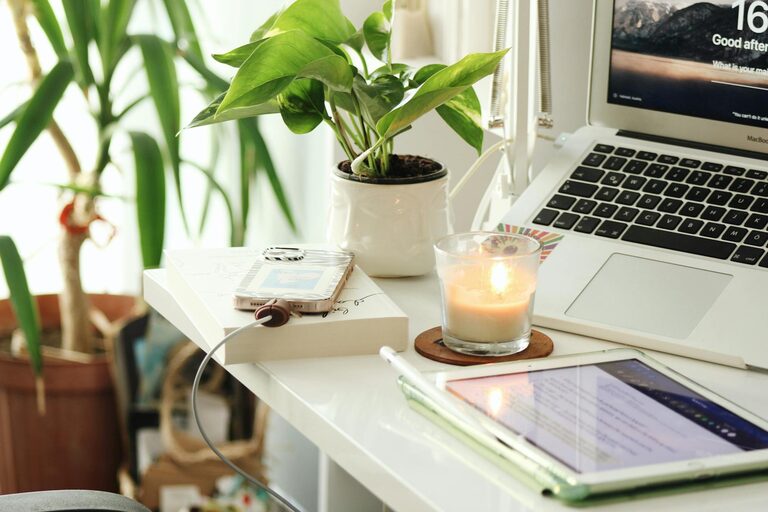
    – Aromatherapy with essential oils or candles using calming scents like lavender or eucalyptus

    Take Breaks and Move Regularly

    No office setup is complete without good habits. Remember to take regular breaks away from your desk. Stretching, walking, or simple breathing exercises can help reduce tension and keep your mind fresh.

    Moving your body regularly combats the negative effects of sitting and boosts energy levels, making your workspace truly supportive of your needs.

    By thoughtfully designing your home office with comfort and calm in mind, you can create an environment that nurtures productivity and well-being. Use these tips to craft a space where you feel relaxed, focused, and ready to tackle your day’s tasks. Happy working!

  • Tips for Creating a Relaxing Home Workspace to Boost Productivity and Comfort

    Tips for Creating a Relaxing Home Workspace to Boost Productivity and Comfort

    Spread the love

    Creating a relaxing home workspace is essential for maintaining productivity and comfort, especially as more people embrace remote work or freelancing. A thoughtfully arranged workspace can reduce stress, improve focus, and make your workday more enjoyable. Whether you have a dedicated room or just a small corner, this guide offers practical tips to help you design a home office that feels calm and supports your best work.

    Why a Relaxing Workspace Matters

    Your environment greatly influences how well you work. A cluttered or uncomfortable space can make it hard to concentrate and increase fatigue. On the other hand, a relaxing setup encourages creativity, reduces distractions, and helps you stay motivated. Prioritizing comfort and tranquility in your workspace doesn’t mean sacrificing professionalism or efficiency—it’s about finding balance.

    Choose the Right Location

    Find a Quiet Spot

    Where you set up your workspace plays a big role. Aim for a quiet corner or room away from high-traffic areas. This helps minimize noise and interruptions during your work hours.

    Maximize Natural Light

    Natural light boosts mood and energy. Position your desk near a window to benefit from daylight. If windows aren’t an option, invest in full-spectrum lighting to mimic natural sunlight.

    Invest in Comfortable Furniture

    Ergonomic Chair

    A good chair that supports your back and promotes healthy posture is a must. Look for adjustable features so you can customize the fit.

    Functional Desk

    Choose a desk that fits your space and workflow. Consider one with enough surface area for your computer, accessories, and any paperwork you use regularly. Standing desks or adjustable-height desks are great for mixing up your posture throughout the day.

    Organize to Reduce Clutter

    Use Storage Solutions

    Keep your workspace tidy by incorporating shelves, drawers, or filing cabinets. Organizing supplies and documents out of sight helps prevent distractions.

    Limit Desk Items

    Keep only essentials within arm’s reach. Fewer items on your desk make the area feel open and inviting.

    Personalize Your Workspace

    Add Calming Elements

    Decorate with plants, soft textiles, or artwork that brings you joy. Natural elements like greenery can reduce stress and improve air quality.

    Choose Soothing Colors

    Colors affect mood. Soft blues, greens, or neutrals often create a peaceful environment that helps you relax and focus.

    Control Noise and Distractions

    Use Noise-Canceling Headphones

    If you can’t find a quiet spot, noise-canceling headphones or earbuds can help block out distractions.

    Background Sounds

    Some people find white noise, nature sounds, or instrumental music helpful for concentration. Experiment with different sounds to see what works best for you.

    Optimize Technology Setup

    Position Your Screen Properly

    Your monitor should be at eye level and about an arm’s length away to reduce eye strain.

    Manage Cables

    Use cable organizers to keep cords neat and prevent clutter, reducing stress and potential hazards.

    Incorporate Break Areas

    Even in a small space, designate a spot for quick breaks. A comfortable chair or small cushion nearby lets you step away from your desk easily, promoting movement and mental refreshment.

    Create a Routine and Set Boundaries

    Having a consistent daily routine helps your brain switch into work mode. Set specific working hours, and communicate boundaries with family or roommates to protect your quiet time.

    Practice Good Lighting for Comfort

    Good lighting matters not only for visibility but also for your well-being. Use layers of light: overhead, task (like a desk lamp), and ambient lighting to reduce eye strain and create a cozy atmosphere.

    Keep Air Quality in Mind

    Good ventilation and fresh air improve concentration and health. Open windows when possible or use air purifiers or humidifiers to maintain a comfortable environment.

    Final Thoughts

    Creating a relaxing home workspace is about balancing practicality and comfort. Small changes like decluttering your desk, adding a plant, or choosing the right chair can make your workday more enjoyable and productive. Remember to personalize your space so it feels inviting to you—that personal touch makes a big difference in staying motivated and focused.

    By following these tips, you can transform your home workspace into a calming haven that supports your professional goals and keeps your well-being in check. Start small, be consistent, and adjust your setup as needed to find the perfect balance that fits your needs.

  • Tips for Creating a Productive Home Office Space

    Tips for Creating a Productive Home Office Space

    Spread the love

    Creating a productive home office space is essential for anyone who works from home or spends a significant amount of time on personal projects. A well-designed workspace can improve focus, reduce stress, and enhance overall work quality. Whether you have a dedicated room or just a small corner, these tips will help you transform your area into an efficient and comfortable home office.

    Choose the Right Location

    The first step to setting up a productive home office is selecting the right spot. Ideally, this space should be quiet, free from distractions, and have good natural light.

    Quiet area: Pick a room or corner away from high-traffic household areas like the kitchen or living room.

    Natural light: Position your desk near a window when possible to benefit from daylight, which can boost mood and energy.

    Separate from relaxation zones: Try to avoid spaces where you usually relax, such as your bedroom or couch area, to mentally separate work from leisure.

    Invest in Comfortable and Ergonomic Furniture

    Comfort is key for long working hours. Ergonomic furniture supports your body and prevents strain.

    Ergonomic chair: Choose a chair with adjustable height, lumbar support, and comfortable cushioning.

    Appropriate desk: Ensure your desk is tall enough for comfortable typing and writing; consider adjustable desks to alternate sitting and standing.

    Monitor height: Your screen should be eye-level to avoid neck strain. Use a monitor stand or stack books if necessary.

    Organize Efficiently for Focus

    An organized workspace helps reduce distractions and saves time.

    Declutter regularly: Keep only essential items on your desk to maintain a clean look.

    Use organizers: Drawer dividers, trays, and desktop organizers keep supplies neat and within reach.

    Storage solutions: Shelves, filing cabinets, or boxes can store documents and equipment you don’t use daily.

    Control Lighting and Minimize Glare

    Proper lighting prevents eye strain and creates a welcoming atmosphere.

    Balance natural and artificial light: Use task lamps for focused work during evenings or cloudy days.

    Avoid glare: Position screens perpendicular to windows to reduce reflections.

    Adjust screen brightness: Match it to the room’s lighting to protect your eyes.

    Personalize Your Space for Motivation

    Adding personal touches can inspire creativity and make work feel more enjoyable.

    Decorate thoughtfully: Include plants, artwork, or photos that uplift you without overwhelming the space.

    Color psychology: Consider colors that promote focus and calm, such as light blues or greens.

    Incorporate scents: Aromatherapy candles or diffusers with mild scents like lavender or citrus can enhance mood.

    Set Up Technology for Efficiency

    Reliable technology is essential for smooth workflows.

    Fast internet: Ensure your internet speed supports video calls, file uploads, and online collaboration tools.

    Cable management: Use clips and ties to keep wires tidy and prevent tangling.

    Backup power: Consider a UPS (Uninterruptible Power Supply) to protect your equipment from power outages.

    Establish Boundaries and Work Habits

    Creating mental and physical boundaries supports productivity in a home setting.

    Define work hours: Keep consistent start and finish times to maintain routine and avoid burnout.

    Take breaks: Use techniques like the Pomodoro method to schedule regular intervals for rest.

    Communicate boundaries: Inform family or housemates of your work schedule to minimize interruptions.

    Maintain Cleanliness and Comfort

    A clean environment promotes well-being and helps you stay focused.

    Daily tidying: Spend a few minutes each day clearing your workspace.

    Temperature control: Maintain a comfortable room temperature; dress accordingly if needed.

    Air quality: Ventilate the room regularly and consider air purifiers if necessary.

    Creating a productive home office does not require a complete overhaul. By thoughtfully choosing your space, investing in comfortable furniture, organizing well, and setting boundaries, you can build a work environment that supports your best performance and well-being. Remember to adjust your setup as your needs change and maintain your space regularly for continued success.

  • Tips for Creating a Cozy and Inviting Home Workspace

    Tips for Creating a Cozy and Inviting Home Workspace

    Spread the love

    Creating a cozy and inviting home workspace is essential for anyone working or studying from home. A well-designed space not only boosts productivity but also makes spending long hours more enjoyable. Whether you have a dedicated room or a small corner, these tips will help you transform your workspace into a comforting and efficient environment.

    1. Choose the Right Location

    Consider Natural Light

    Natural light plays a crucial role in making any space feel warm and welcoming. Position your desk near a window to benefit from daylight, which can improve mood and reduce eye strain. If natural light is limited, consider using full-spectrum bulbs that mimic daylight.

    Minimize Noise and Distractions

    Select a quiet spot where you can focus without interruptions. If possible, choose a space away from high-traffic areas like the kitchen or living room. Using noise-canceling headphones or playing soft background music can also help create a peaceful atmosphere.

    2. Invest in Comfortable Furniture

    Ergonomic Chairs and Desks

    Comfort is key when setting up a workspace. An ergonomic chair that supports your back and promotes good posture can prevent discomfort during long work hours. Adjustable desks or sit-stand converters allow you to change positions and stay active.

    Functional Desk Space

    Choose a desk that fits your needs—consider size and storage. A larger desk offers space for monitors, notebooks, and other tools. Desks with built-in storage or drawer units can keep essentials organized and within reach.

    3. Personalize Your Workspace

    Add Warm Textures

    Incorporate soft textiles like a cozy rug, cushions, or a throw blanket. These elements add warmth and make the area more inviting. Choose materials that feel pleasant to the touch and complement your décor.

    Use Personal Touches

    Decorate with items that inspire you, such as artwork, plants, or photos. Greenery, in particular, improves air quality and adds a natural element that calms the mind. However, keep decorations minimal to avoid clutter.

    4. Organize for Efficiency

    Declutter Regularly

    A tidy workspace boosts focus. Sort through papers and supplies frequently to keep only what you need. Use trays, file holders, or containers to group items and reduce mess.

    Use Smart Storage Solutions

    Shelves, drawers, and wall organizers help maximize space while maintaining order. Label storage containers to find items quickly and avoid frustration.

    5. Pay Attention to Lighting

    Layer Your Lighting

    Combine ambient, task, and accent lighting for a balanced setup. Overhead lights provide general illumination, while desk lamps offer focused light for reading or detailed work. Soft accent lights can create a relaxing mood during breaks.

    Choose Warm Light Bulbs

    Warm white bulbs (around 2700K to 3000K) create a comfortable and inviting atmosphere. Avoid harsh, cool-toned lighting, which can feel sterile and tiring over time.

    6. Manage Technology Wisely

    Cable Management

    Keep cords and chargers neat with clips, sleeves, or cable boxes. Tidy cables improve appearance and prevent accidents.

    Quality Equipment

    Invest in reliable tech tools like a good keyboard, mouse, and headset. Comfortable and efficient equipment reduces strain and improves workflow.

    7. Maintain Good Air Quality and Temperature

    Ventilation

    Fresh air keeps your mind alert. Open windows when possible or use an air purifier to reduce dust and allergens.

    Temperature Control

    Ensure the workspace temperature suits your comfort. Fans, heaters, or humidifiers can help adjust the environment according to the season.

    Creating a cozy and inviting home workspace may take some effort, but the benefits for your productivity and well-being are worth it. Remember to balance functionality with comfort and personalization to make your workspace a place where you want to spend time. A thoughtful setup can turn work-from-home days into a more enjoyable and productive experience.