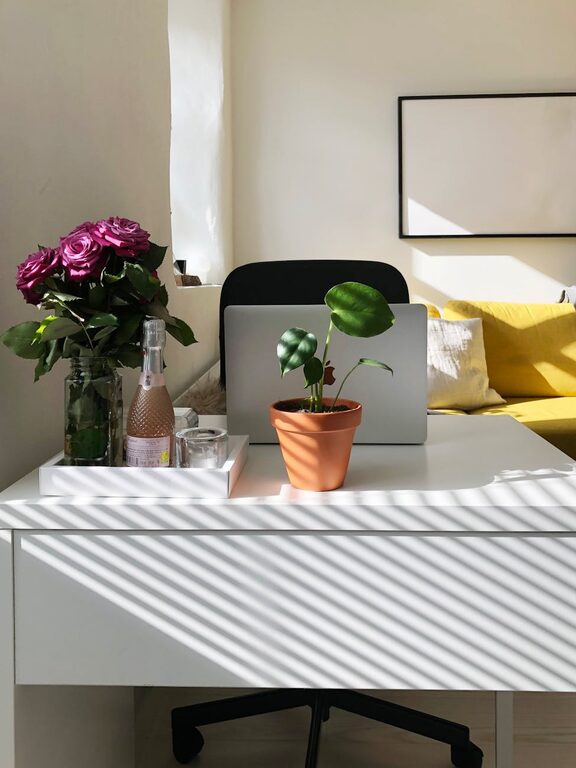
Creating a productive home office space is essential for anyone who works from home or spends a significant amount of time on personal projects. A well-designed workspace can improve focus, reduce stress, and enhance overall work quality. Whether you have a dedicated room or just a small corner, these tips will help you transform your area into an efficient and comfortable home office.
Choose the Right Location
The first step to setting up a productive home office is selecting the right spot. Ideally, this space should be quiet, free from distractions, and have good natural light.
– Quiet area: Pick a room or corner away from high-traffic household areas like the kitchen or living room.
– Natural light: Position your desk near a window when possible to benefit from daylight, which can boost mood and energy.
– Separate from relaxation zones: Try to avoid spaces where you usually relax, such as your bedroom or couch area, to mentally separate work from leisure.
Invest in Comfortable and Ergonomic Furniture
Comfort is key for long working hours. Ergonomic furniture supports your body and prevents strain.
– Ergonomic chair: Choose a chair with adjustable height, lumbar support, and comfortable cushioning.
– Appropriate desk: Ensure your desk is tall enough for comfortable typing and writing; consider adjustable desks to alternate sitting and standing.
– Monitor height: Your screen should be eye-level to avoid neck strain. Use a monitor stand or stack books if necessary.
Organize Efficiently for Focus
An organized workspace helps reduce distractions and saves time.
– Declutter regularly: Keep only essential items on your desk to maintain a clean look.
– Use organizers: Drawer dividers, trays, and desktop organizers keep supplies neat and within reach.
– Storage solutions: Shelves, filing cabinets, or boxes can store documents and equipment you don’t use daily.
Control Lighting and Minimize Glare
Proper lighting prevents eye strain and creates a welcoming atmosphere.
– Balance natural and artificial light: Use task lamps for focused work during evenings or cloudy days.
– Avoid glare: Position screens perpendicular to windows to reduce reflections.
– Adjust screen brightness: Match it to the room’s lighting to protect your eyes.
Personalize Your Space for Motivation
Adding personal touches can inspire creativity and make work feel more enjoyable.
– Decorate thoughtfully: Include plants, artwork, or photos that uplift you without overwhelming the space.
– Color psychology: Consider colors that promote focus and calm, such as light blues or greens.
– Incorporate scents: Aromatherapy candles or diffusers with mild scents like lavender or citrus can enhance mood.
Set Up Technology for Efficiency
Reliable technology is essential for smooth workflows.
– Fast internet: Ensure your internet speed supports video calls, file uploads, and online collaboration tools.
– Cable management: Use clips and ties to keep wires tidy and prevent tangling.
– Backup power: Consider a UPS (Uninterruptible Power Supply) to protect your equipment from power outages.
Establish Boundaries and Work Habits
Creating mental and physical boundaries supports productivity in a home setting.
– Define work hours: Keep consistent start and finish times to maintain routine and avoid burnout.
– Take breaks: Use techniques like the Pomodoro method to schedule regular intervals for rest.
– Communicate boundaries: Inform family or housemates of your work schedule to minimize interruptions.
Maintain Cleanliness and Comfort
A clean environment promotes well-being and helps you stay focused.
– Daily tidying: Spend a few minutes each day clearing your workspace.
– Temperature control: Maintain a comfortable room temperature; dress accordingly if needed.
– Air quality: Ventilate the room regularly and consider air purifiers if necessary.
—
Creating a productive home office does not require a complete overhaul. By thoughtfully choosing your space, investing in comfortable furniture, organizing well, and setting boundaries, you can build a work environment that supports your best performance and well-being. Remember to adjust your setup as your needs change and maintain your space regularly for continued success.