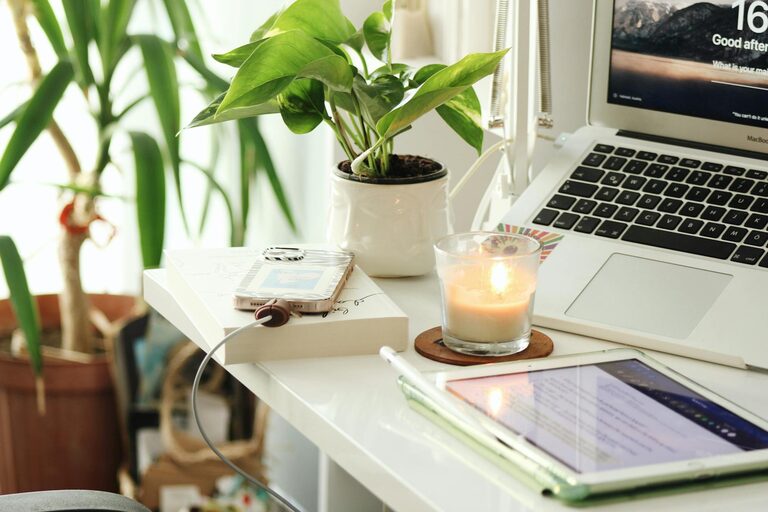
Creating a productive home workspace is essential for anyone working or studying from home. A well-designed environment can help you stay focused, reduce stress, and enhance your overall efficiency. Whether you have a dedicated room or just a small corner, these tips will help you set up a workspace that works for you.
Choose the Right Location
Selecting the best spot in your home for your workspace is the first step toward productivity. Ideally, pick a quiet area with minimal distractions. Here are some factors to consider:
– Natural Light: Position your desk near a window if possible. Natural light helps improve mood and reduces eye strain.
– Privacy: Choose a space where you can close the door or create a boundary if you need concentration.
– Traffic Flow: Avoid high-traffic areas like the living room where family members frequently pass by.
If space is limited, even a tidy corner with your essentials can work well.
Invest in Comfortable Furniture
Comfort plays a big role in how productive you feel. Sitting for long hours in an uncomfortable chair can lead to back pain and fatigue.
– Ergonomic Chair: Choose a chair with good lumbar support and adjustable height.
– Desk Height: Your desk should allow your arms to rest comfortably while typing, with your feet flat on the floor.
– Desk Space: Ensure there’s enough room for your computer, notebooks, and other tools without feeling cramped.
Consider a sit-stand desk if you want to vary your posture throughout the day.
Keep Your Workspace Organized
Clutter can quickly distract you. An organized workspace helps you focus and find what you need easily.
– Declutter Regularly: Remove unnecessary items from your desk at the end of each day.
– Storage Solutions: Use shelves, drawers, or filing cabinets to keep documents and supplies tidy.
– Cable Management: Use clips or sleeves to keep cords from tangling, creating a neater look.
Clear spaces tend to promote clearer thinking.
Minimize Distractions
Working from home often means facing distractions that can reduce your productivity. Here are ways to keep distractions at bay:
– Designate Work Hours: Set clear start and end times to help your brain switch to work mode.
– Use Noise-Cancelling Headphones: These can help block out background noise.
– Limit Phone Notifications: Silence or turn off notifications during focused work sessions.
– Communicate Boundaries: Let family or housemates know your work schedule and ask for their support in minimizing interruptions.
Creating a routine will gradually train your mind to focus during work hours.
Personalize Your Space
Adding personal touches can make your workspace more inviting and motivate you to spend time there.
– Plants: A small plant can improve air quality and add a touch of nature.
– Decor: Choose artwork or photos that inspire you.
– Lighting: Aside from natural light, use warm desk lamps to create a cozy atmosphere in the evenings.
However, avoid too many decorations that could cause distraction.
Incorporate Good Lighting
Lighting affects your comfort and alertness. Poor lighting can cause headaches and fatigue.
– Layered Lighting: Combine natural light, overhead lights, and task lighting.
– Avoid Glare: Position your computer screen to minimize reflections from windows or lights.
– Use Adjustable Lamps: These let you focus light exactly where you need it.
Proper lighting supports your eye health and concentration.
Use Technology Wisely
A productive workspace benefits from reliable technology.
– Fast Internet Connection: Ensure your Wi-Fi is strong to avoid interruptions during online meetings or research.
– Essential Gadgets: Invest in quality headphones, webcam, or a mouse that enhances your workflow.
– Backup Solutions: Regularly save your work and use cloud storage to prevent data loss.
Keeping your software and devices updated also helps maintain smooth operations.
Take Breaks and Move
Even the best workspace can’t substitute for regular breaks.
– Practice the 20-20-20 Rule: Every 20 minutes, look at something 20 feet away for at least 20 seconds to reduce eye strain.
– Stretch or Walk: Stand up and move around every hour to increase circulation and reduce tension.
– Stay Hydrated and Nourished: Keep water and healthy snacks nearby to maintain energy levels.
A break-friendly environment fosters sustained productivity.
Final Thoughts
Creating a productive home workspace is all about balancing comfort, organization, and minimizing distractions. By choosing the right location, investing in ergonomic furniture, organizing your space, and incorporating personalized touches, you set yourself up for success. Remember, it’s also vital to maintain a routine that includes breaks and good lighting. With these tips, working from home can be both enjoyable and efficient.
Leave a Reply