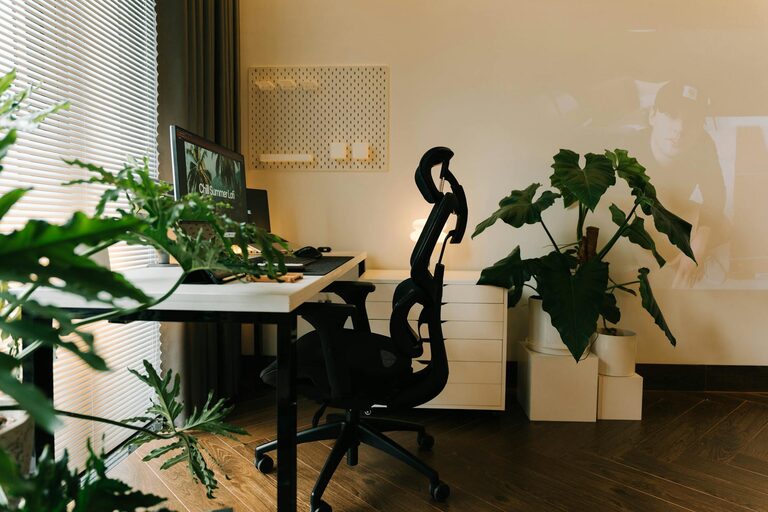
Creating a relaxing home workspace is essential for maintaining productivity and comfort, especially as more people embrace remote work or freelancing. A thoughtfully arranged workspace can reduce stress, improve focus, and make your workday more enjoyable. Whether you have a dedicated room or just a small corner, this guide offers practical tips to help you design a home office that feels calm and supports your best work.
Why a Relaxing Workspace Matters
Your environment greatly influences how well you work. A cluttered or uncomfortable space can make it hard to concentrate and increase fatigue. On the other hand, a relaxing setup encourages creativity, reduces distractions, and helps you stay motivated. Prioritizing comfort and tranquility in your workspace doesn’t mean sacrificing professionalism or efficiency—it’s about finding balance.
—
Choose the Right Location
Find a Quiet Spot
Where you set up your workspace plays a big role. Aim for a quiet corner or room away from high-traffic areas. This helps minimize noise and interruptions during your work hours.
Maximize Natural Light
Natural light boosts mood and energy. Position your desk near a window to benefit from daylight. If windows aren’t an option, invest in full-spectrum lighting to mimic natural sunlight.
—
Invest in Comfortable Furniture
Ergonomic Chair
A good chair that supports your back and promotes healthy posture is a must. Look for adjustable features so you can customize the fit.
Functional Desk
Choose a desk that fits your space and workflow. Consider one with enough surface area for your computer, accessories, and any paperwork you use regularly. Standing desks or adjustable-height desks are great for mixing up your posture throughout the day.
—
Organize to Reduce Clutter
Use Storage Solutions
Keep your workspace tidy by incorporating shelves, drawers, or filing cabinets. Organizing supplies and documents out of sight helps prevent distractions.
Limit Desk Items
Keep only essentials within arm’s reach. Fewer items on your desk make the area feel open and inviting.
—
Personalize Your Workspace
Add Calming Elements
Decorate with plants, soft textiles, or artwork that brings you joy. Natural elements like greenery can reduce stress and improve air quality.
Choose Soothing Colors
Colors affect mood. Soft blues, greens, or neutrals often create a peaceful environment that helps you relax and focus.
—
Control Noise and Distractions
Use Noise-Canceling Headphones
If you can’t find a quiet spot, noise-canceling headphones or earbuds can help block out distractions.
Background Sounds
Some people find white noise, nature sounds, or instrumental music helpful for concentration. Experiment with different sounds to see what works best for you.
—
Optimize Technology Setup
Position Your Screen Properly
Your monitor should be at eye level and about an arm’s length away to reduce eye strain.
Manage Cables
Use cable organizers to keep cords neat and prevent clutter, reducing stress and potential hazards.
—
Incorporate Break Areas
Even in a small space, designate a spot for quick breaks. A comfortable chair or small cushion nearby lets you step away from your desk easily, promoting movement and mental refreshment.
—
Create a Routine and Set Boundaries
Having a consistent daily routine helps your brain switch into work mode. Set specific working hours, and communicate boundaries with family or roommates to protect your quiet time.
—
Practice Good Lighting for Comfort
Good lighting matters not only for visibility but also for your well-being. Use layers of light: overhead, task (like a desk lamp), and ambient lighting to reduce eye strain and create a cozy atmosphere.
—
Keep Air Quality in Mind
Good ventilation and fresh air improve concentration and health. Open windows when possible or use air purifiers or humidifiers to maintain a comfortable environment.
—
Final Thoughts
Creating a relaxing home workspace is about balancing practicality and comfort. Small changes like decluttering your desk, adding a plant, or choosing the right chair can make your workday more enjoyable and productive. Remember to personalize your space so it feels inviting to you—that personal touch makes a big difference in staying motivated and focused.
By following these tips, you can transform your home workspace into a calming haven that supports your professional goals and keeps your well-being in check. Start small, be consistent, and adjust your setup as needed to find the perfect balance that fits your needs.
Leave a Reply